Home
Home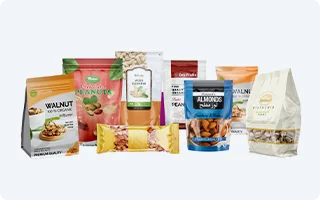
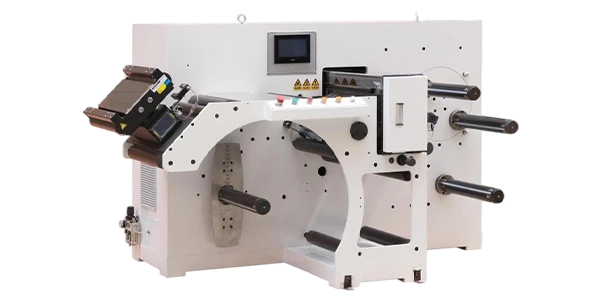
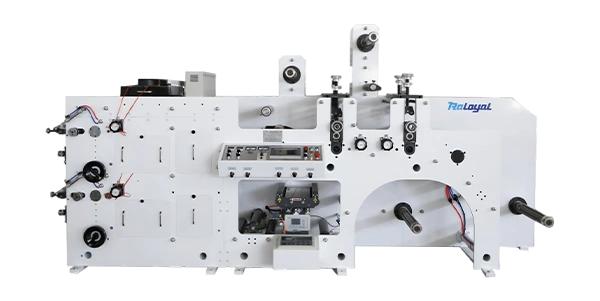
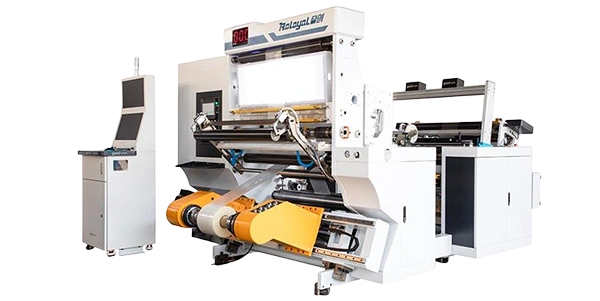
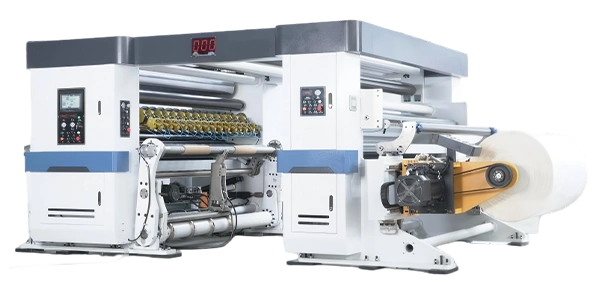
Successful Case
Real customers, real results — see how our printing and converting solutions solve real-world challenges, boost efficiency, and deliver measurable ROI across 82+ countries.

We don't just sell machines - we deliver integrated solutionstailored to your specific industry and application. From flexible packaging to industrial converting, find theright equipment for your production needs.
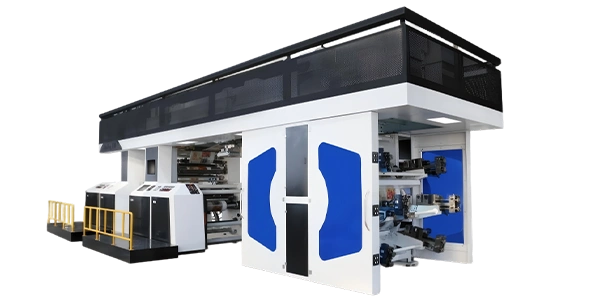
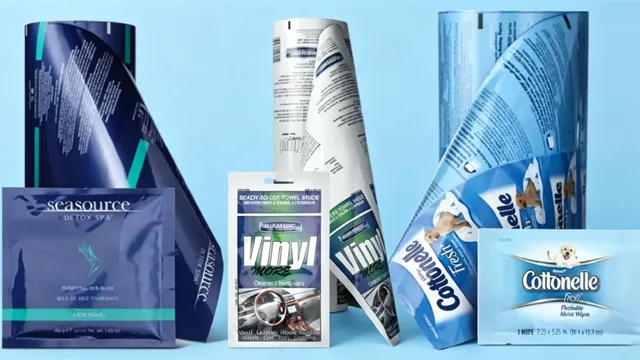
High-quality flexible packaging for food, beverage,hamburger,sandwich, medical, and consumer goods requires precision printing on thin fims and foilsOur CIfexo preses deliver 007smm accuray with cosed loop tension controto prevent material stretching -ensuring vibrant graphics and consistent quality forstand-up pouches, shrink sleeves, and medical packaging.
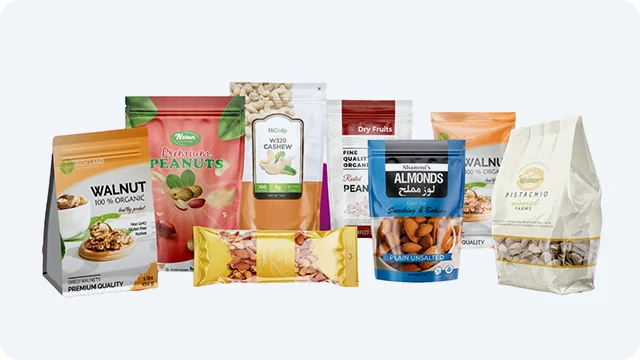
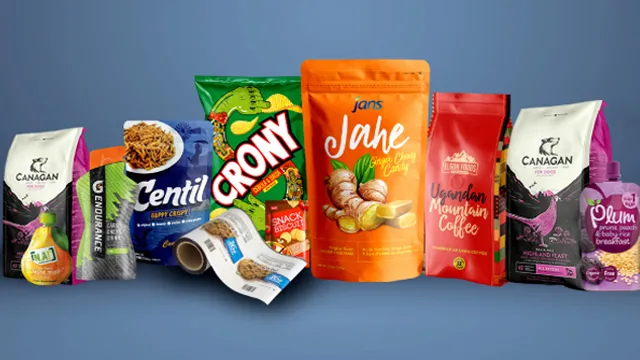
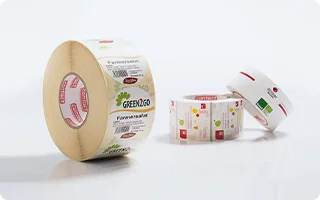
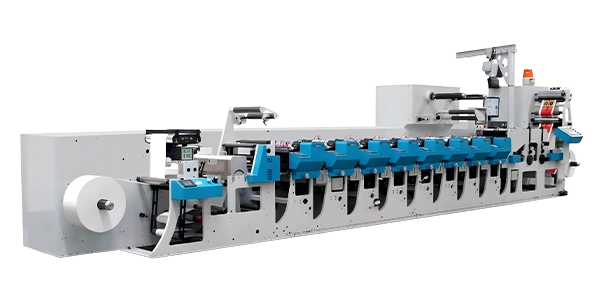
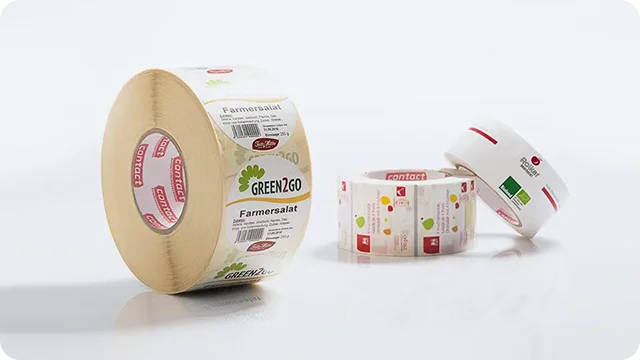
Self adhesive labels, flm labels, and sleeve labels demand fast changeovers and precise registration for short-run and spot-colorjobsOur servo-driven unit- ype presses feature 2 servos per printing unit and automatic pre registration-reducing setup waste by 40%,Inline die cutting and siting optionsletyou print and finish in one pass.


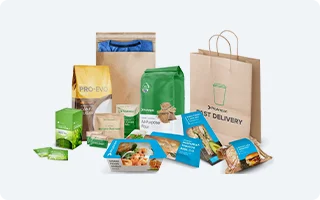
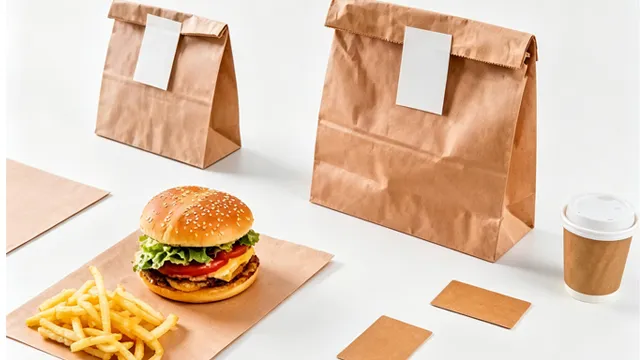
Paper cup pre -printing, burger wrappers,paper bags and sheets require cost effective, high-speed printing with inline converting options.Dur stack flexo presses feature 4Smm thick wall panels forvibration free peration, 360 register adiustment and ptional cros cuting with automatic stacking -reducing labor and increasing output.
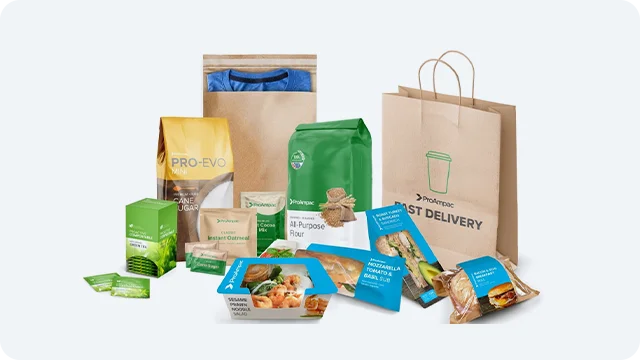
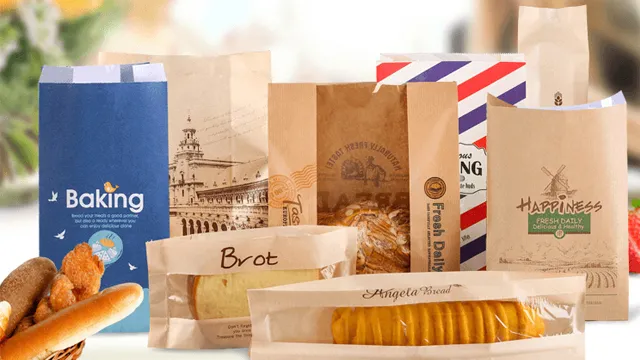
Non-woven fabrics, kraft paper, and heawy-duty materials for industrial bags, cement sacks, and shopping bags require wide-web stability and durable construction Our bridge fexo presses ofer up to l0omm wetb width, endlosed doctor blade for stable ink supply,and mutiple winding methods to handlevarious substrate thicknesses
Real customers, real results — see how our printing and converting solutions solve real-world challenges, boost efficiency, and deliver measurable ROI across 82+ countries.

For thin, stretch-sensitive materials like BOPP, PET, or aluminum foil used in food and medical packaging, a CI (Central Impression) flexo press is the industry standard.
Its short web path and closed‑loop tension control minimize material stretching, ensuring high registration accuracy and consistent print quality at high speeds. A stack press is more economical but generally preferred for less demanding paper or label applications.
For label production, a servo‑driven unit‑type press is recommended. Our unit‑type presses feature 2 servos per printing unit and automatic pre‑registration, which can reduce setup waste by up to 40%. Inline die‑cutting and slitting options also allow printing and finishing in a single pass, making them ideal for short runs and spot‑color jobs.
Our CI flexo presses achieve ±0.075 mm registration accuracy, making them suitable for high‑definition flexible packaging. Unit‑type presses offer ±0.1 mm accuracy, sufficient for most label and commercial printing applications. Stack presses and bridge‑type presses are optimised for paper, paperboard, non‑woven and kraft materials, delivering reliable performance while keeping equipment costs lower.
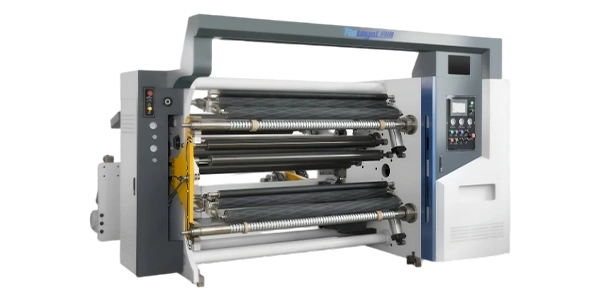
Yes, we offer one‑stop solutions that go beyond printing. For example, a stack flexo press can be equipped with in‑line cross cutting and automatic stacking for paper cup pre‑printing and burger wrappers. A unit‑type press can integrate rotary die‑cutting and slitting for finished labels in one pass. For industrial packaging, our bridge‑type presses can be paired with slitting and rewinding units. This integrated approach reduces material handling, labour costs and overall lead times.
ROI typically ranges from 12 to 24 months, depending on your output volume and the complexity of the line. Our in‑house manufacturing of key components (gears, shafts, wall panels) ensures shorter lead times, strict quality control, and more competitive pricing. It also enables faster spare‑parts delivery and easier customisation, directly contributing to a lower total cost of ownership and a quicker return on your investment.
Turn Materials
into High-Value Products

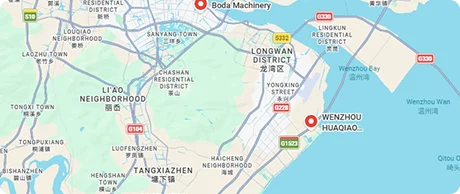
 Address:88 Shangdong Road, Dongshan Street,Wenzhou, Zhejiang, China