

 Home
Home


For further details, please contact us.
Contact Us
Flexographic printing is a foundational manufacturing technology for the modern packaging sector, widely used for consumer goods and commercial packaging. From everyday food wraps and personal care packaging to retail and industrial labels, most roll-based soft packaging products are manufactured on high-performance flexo equipment. Today's core flexo printing applications centre on two dominant industrial fields: flexible packaging and self-adhesive label production. Thanks to excellent material adaptability, fast roll-to-roll speed, and eco-friendly ink compatibility, flexo printing has become the most cost-effective solution for medium and large-batch packaging printing, gradually replacing traditional gravure and offset processes for mainstream packaging jobs.
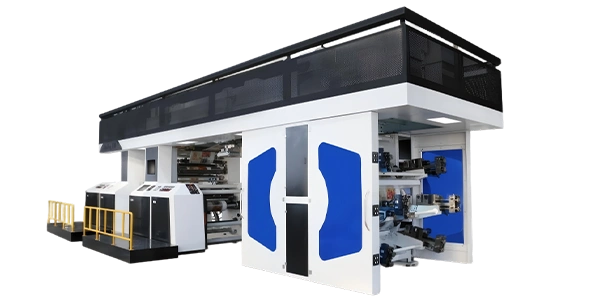
Unlike rigid plate printing methods, flexo printing utilises flexible photopolymer plates and precision anilox roller ink metering systems. Its soft, kiss-contact printing style protects thin, delicate, and non-porous substrates, delivering consistent results across diverse packaging materials. Modern industrial flexo machines fall into two primary configurations: wide-web central impression (CI) presses designed for high-volume flexible packaging, and narrow-web inline presses built for versatile label production. This clear equipment classification enables targeted, stable, and scalable flexo printing applications for different manufacturing needs. For a detailed overview of available machine types, explore our flexo printing machine product series.
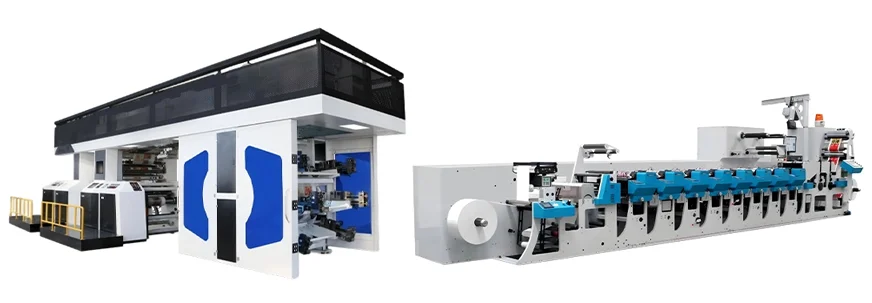
Flexo Printing Applications in Flexible Packaging Manufacturing
Flexible packaging remains the largest and most mature segment for flexo printing applications, accounting for over 60 percent of global flexo print output. As global brands continue replacing rigid glass, metal, and hard plastic containers with lightweight, low-cost, and space-saving flexible packaging, flexo technology has become the standard choice for food, daily chemical, pet care, and industrial packaging producers.
Wide-web CI flexo presses power mass flexible packaging production. The unified central drum design locks the substrate in place during high-speed operation, supporting stable web movement and precise multi-color registration even at speeds up to 300 meters per minute. This reliability eliminates color deviation and pattern misalignment, which is critical for high-quality composite packaging films. These presses handle all common packaging substrates, including BOPP, PET, PE, and nylon films, as well as modern compostable and recyclable mono-material films used for sustainable packaging lines.
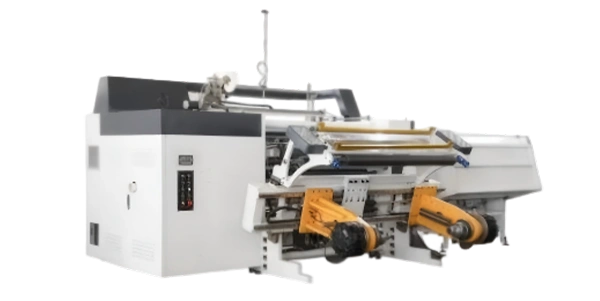
Manufacturers rely on these flexo machines to produce snack wrappers, frozen food packaging, coffee pouches, detergent refill films, and multi-layer high-barrier packaging. Equipped with water-based and low-VOC UV ink systems, modern flexo presses fully comply with international food safety and environmental protection standards, making them ideal for direct food-contact packaging. Integrated inline functions such as online varnishing, laminating, and slitting streamline production workflows, reduce manual handling, and effectively lower material waste during long production runs. For industry-specific configurations, our flexo printing and converting solutions page provides tailored recommendations for different packaging segments.
Flexo Printing Applications in Commercial Label Production
Label production serves as the second major category of flexo printing applications, covering custom and mid-volume printing requirements that widely serve food and beverage, pharmaceutical, cosmetic, logistics, and retail industries. Unlike wide-web packaging presses, narrow-web inline flexo machines are purpose-built for roll-fed label manufacturing, offering modular functionality and flexible job switching for diverse label types.
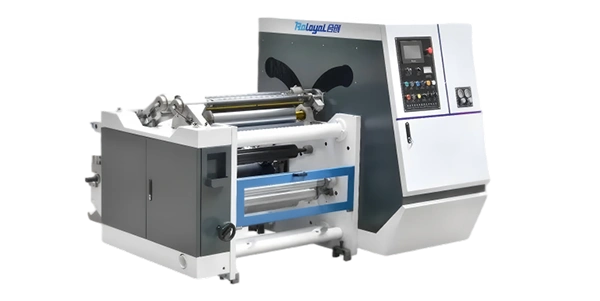
Self-adhesive pressure-sensitive labels represent the most common end product. Flexo printing works stably on coated paper, kraft paper, BOPP synthetic film, clear PE, and aluminum foil label stocks. The greatest advantage of flexo label production is its highly integrated workflow: a single press can complete printing, die-cutting, matrix stripping, slitting, and rewinding in one continuous process. This all-in-one production model greatly shortens lead times, unifies product quality, and avoids inconsistencies caused by separate offline processing steps.
In regulated pharmaceutical and healthcare sectors, flexo printing applications continue to expand due to their outstanding stability and compliance performance. Flexo presses deliver smudge-proof, high-resolution printing for medicine labels, blister pack stickers, and medical device tags, ensuring clear display of tiny ingredient information, production codes, barcodes, and traceability QR codes. Many updated flexo production lines support hybrid variable data printing, allowing manufacturers to print fixed brand graphics in bulk while adding customizable batch numbers and expiry dates for full product traceability.
For premium consumer goods including wine, spirits, and high-end cosmetics, flexo printing creates rich decorative effects such as metallic ink finishing, matte and glossy varnish, and fine texture embossing. These premium visual upgrades help brands enhance shelf competitiveness without excessive cost growth. Additionally, UV-cured flexo inks provide excellent resistance against sunlight, moisture, and temperature changes, making flexo-printed logistics labels and industrial tags durable enough for long-term indoor and outdoor application.
Why Flexo Printing Applications Dominate Modern Packaging Industries
The continuous growth of flexo printing applications is driven by its balanced advantages in material compatibility, production efficiency, and environmental performance. Compared with offset and gravure printing, flexo technology adapts better to thin, soft, and easily deformed packaging and label substrates, solving common printing defects such as ink peeling and pattern distortion on flexible materials. Meanwhile, water-based and low-carbon UV ink systems help factories meet global emission standards and sustainable packaging requirements.
Modern servo-controlled flexo presses feature automatic color registration, intelligent recipe storage, and automated cleaning functions, greatly reducing human error and production defects. The equipment flexibly adapts to both large-scale flexible packaging orders and diversified small-batch label customization, maintaining stable cost efficiency in different business scenarios. This strong practicability makes flexo printing applications indispensable in the global packaging manufacturing chain.
Final Outlook
As the packaging industry raises higher requirements for environmental friendliness, printing precision, and production flexibility, flexo printing technology continues to iterate and upgrade. New-generation flexo machines deliver higher precision, lower energy consumption, and stronger customization, further expanding the commercial value of flexo printing applications. For packaging converters, mature and optimized flexo printing solutions remain the core support for stabilizing product quality and adapting to increasingly competitive market demands.